Monday, August 26, 2013

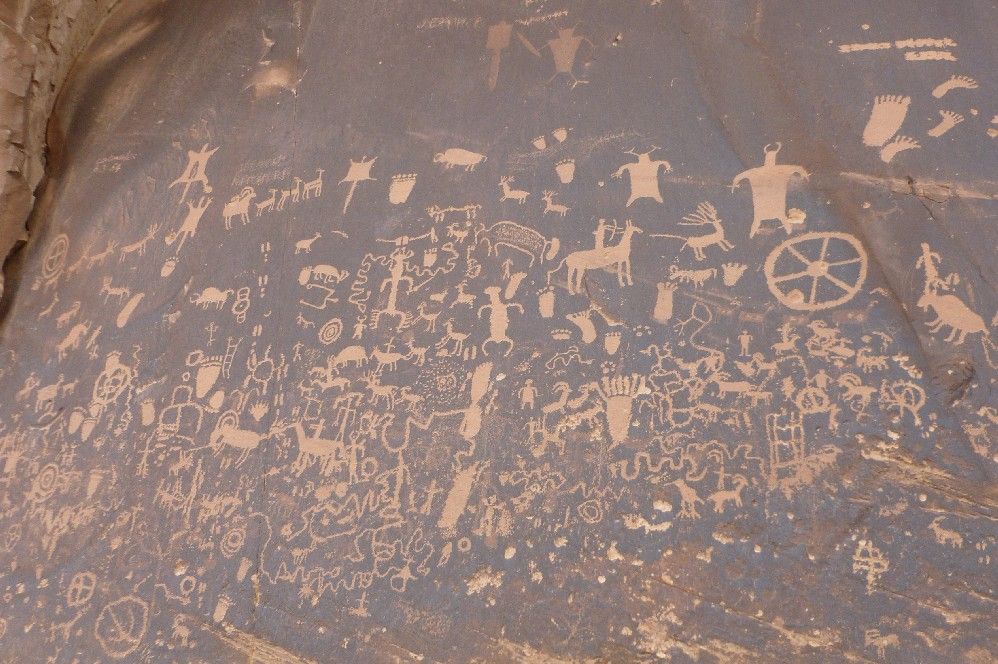
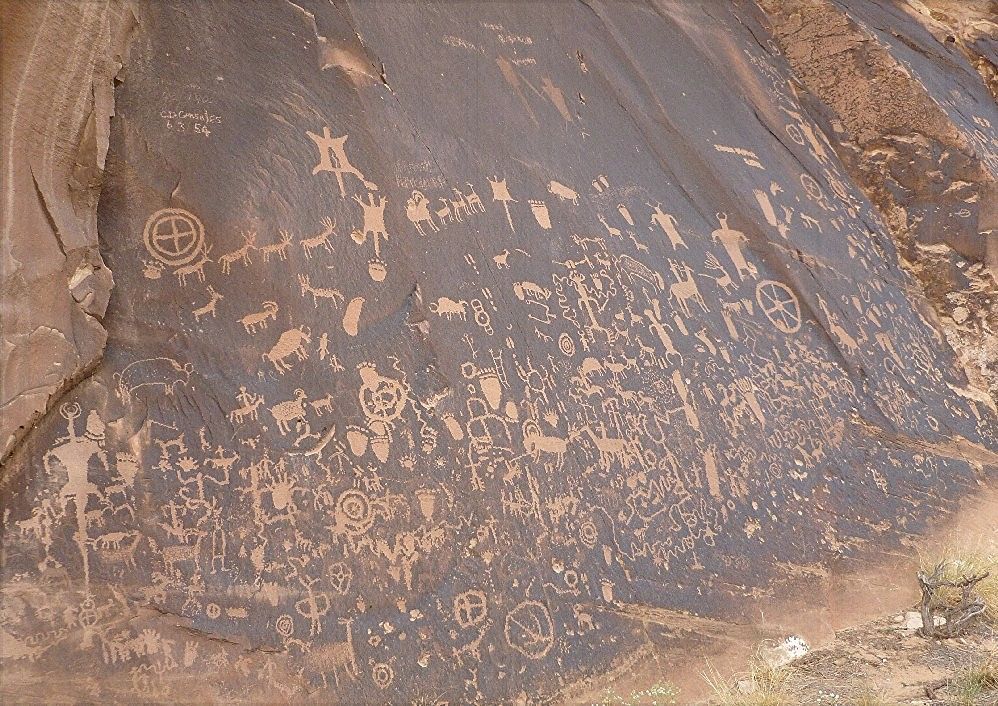
While driving from Colorado into Utah up to Arches National Park, I stopped to see a few places.  About 12 miles off the main drag (US 191) is Newspaper Rock, a large rock panel inscribed with literally hundreds of petroglyphs, created by people of the Archaic, Anasazi, Freemont and Anglo cultures.  It is now either a National Historical Site or a State Historic Monument, depending on which Internet page you read.

Here's another shot from a different angle:

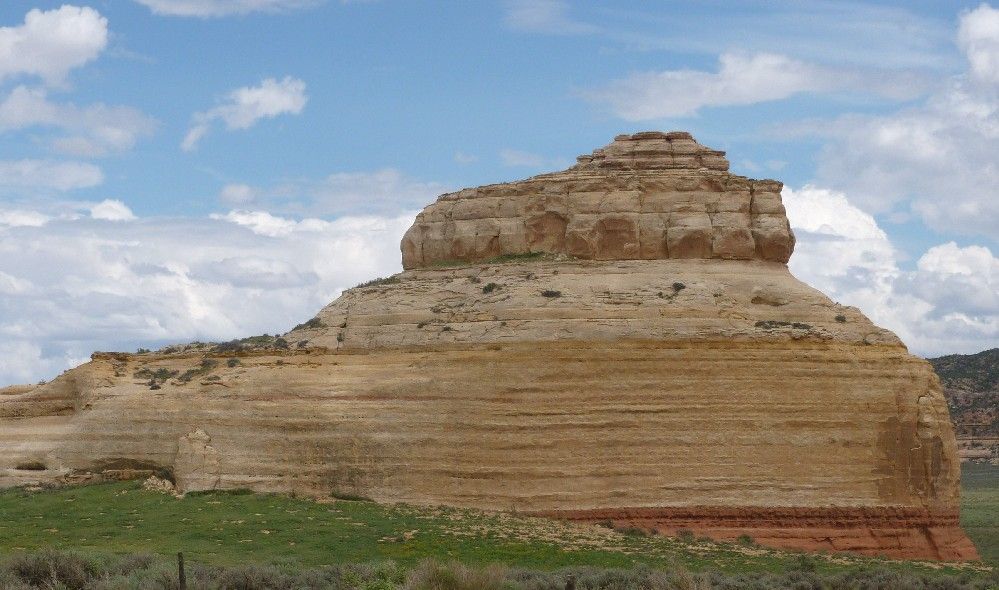
Near the intersection of US 191 and Utah 211 (the side road that leads to Newspaper Rock, and to one entrance of Canyonlands National Park) is Church Rock, so named because of a story about a utopian community allegedly having plans to hollow part of it out and use the resulting space as a church.

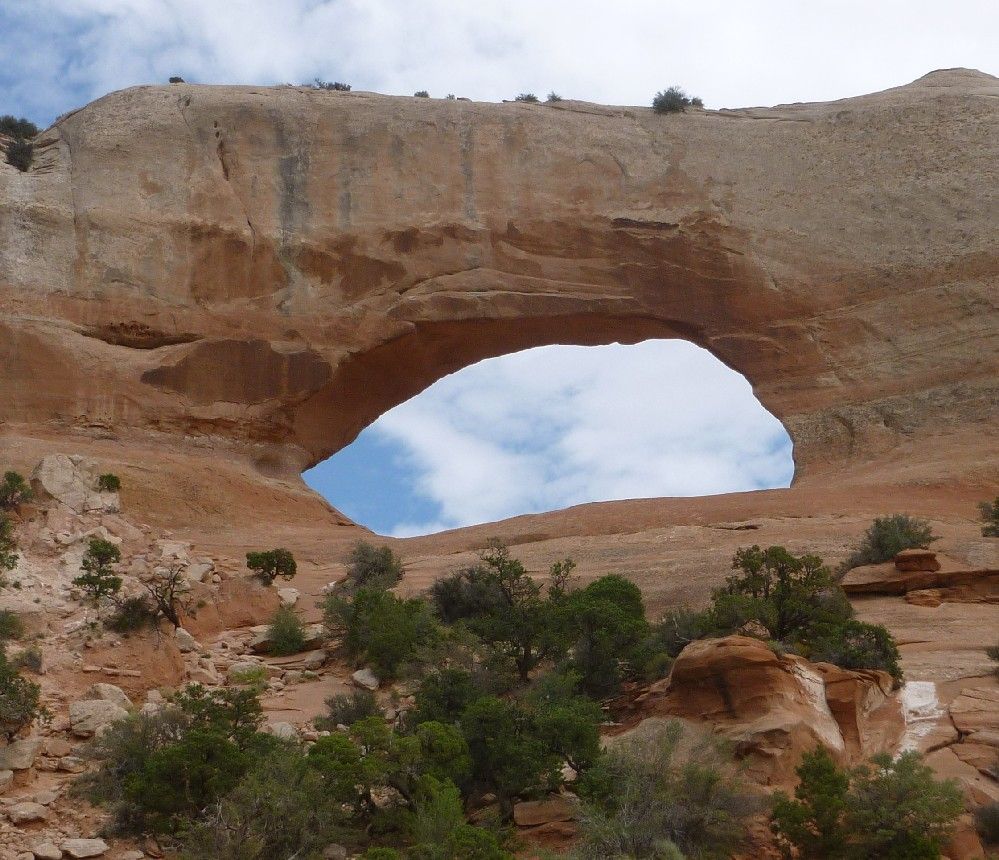
Further on up US 191, but well to the south of Arches NP is Wilson Arch.

Saturday, August 24, 2013

Hovenweep is a National Monument that comprises six groups of Ancestral Pueblo buildings, located within Utah and Colorado.  The largest is the Square Tower group, which are strewn around and within Little Ruin Canyon, on the Utah side of the state line.  A short trail leads from the nearby visitor's center and connects to a 2 mile-long circuit trail that passes near most of the ruins that are above the canyon, and includes a section within the canyon.  The builders of the Hovenweep sites are thought to be people of the Mesa Verde branch of the Ancestral Pueblo culture, also known as the Anasazi.

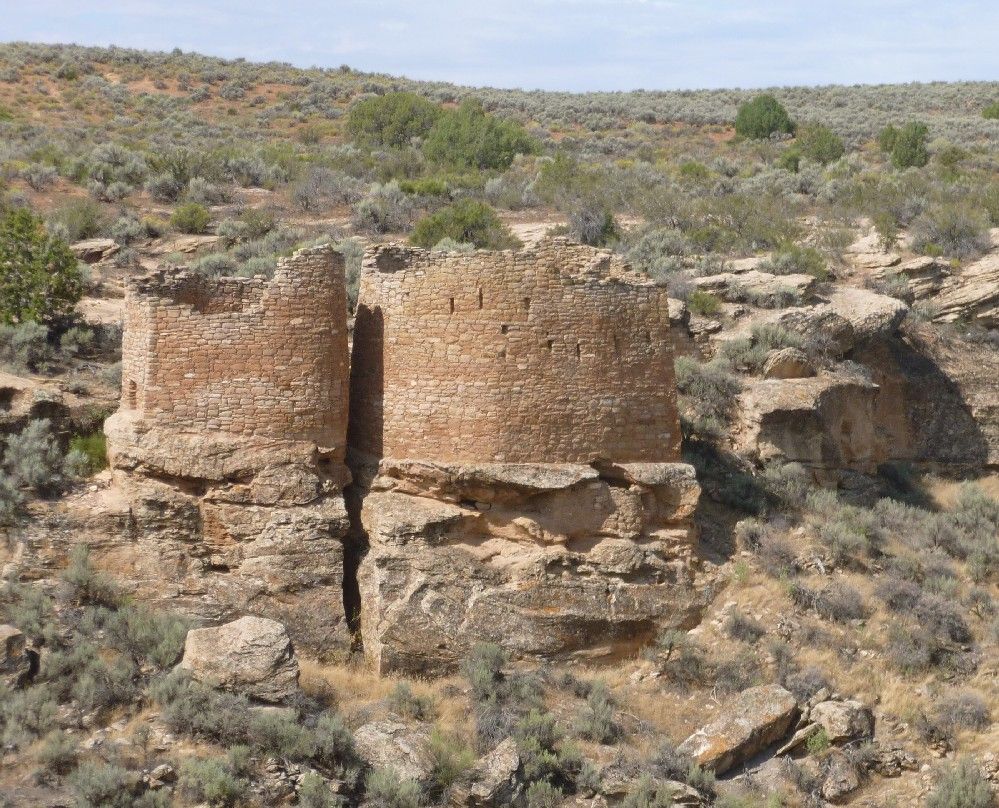
After leaving Lowry Pueblo, I found a road sign that pointed south toward Hovenweep.  I turned onto a road that was just as unpaved as the one leading to Lowry.  Fortunately, after a mile it connected to a paved road that led the rest of the way to Hovenweep, about 20 more miles.  Although definitely "off the beaten path", Hovenweep still had a number of visitors when I was there.  I took this shot of the buildings called the Twin Towers from across the canyon.

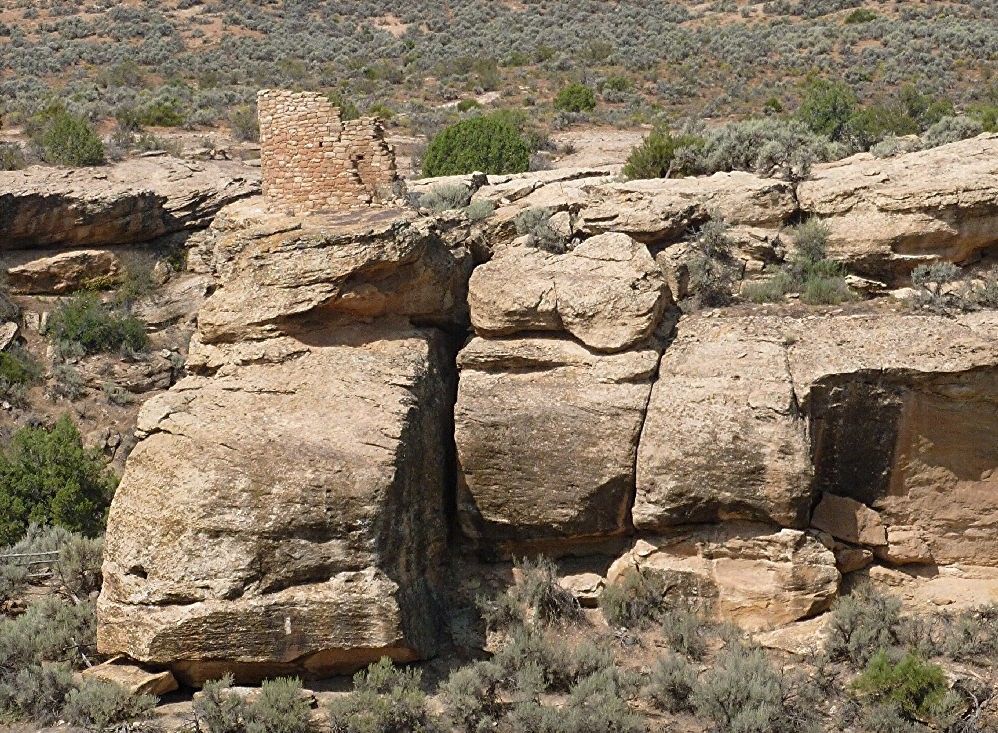
Tower Point stands above the canyon wall.

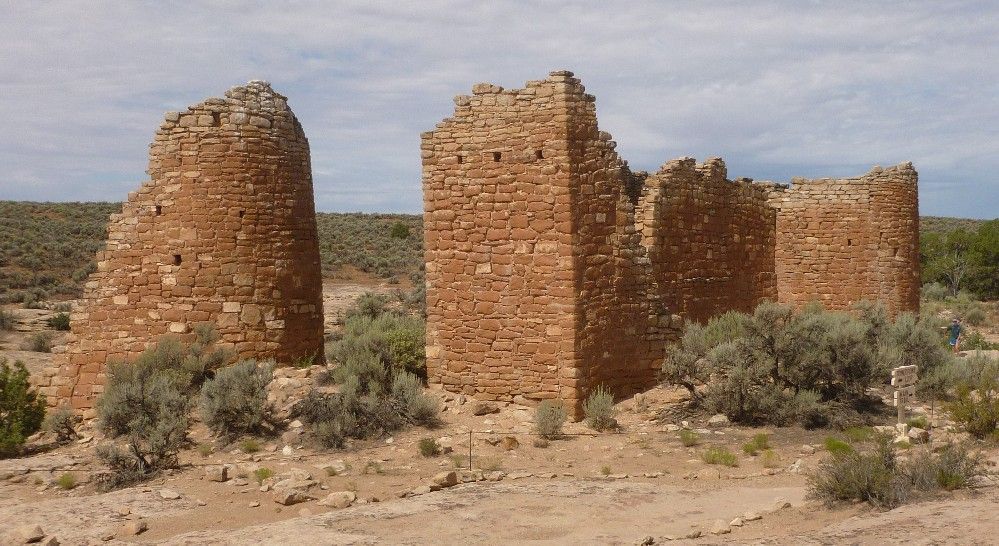
These buildings are collectively known as Hovenweep Castle.

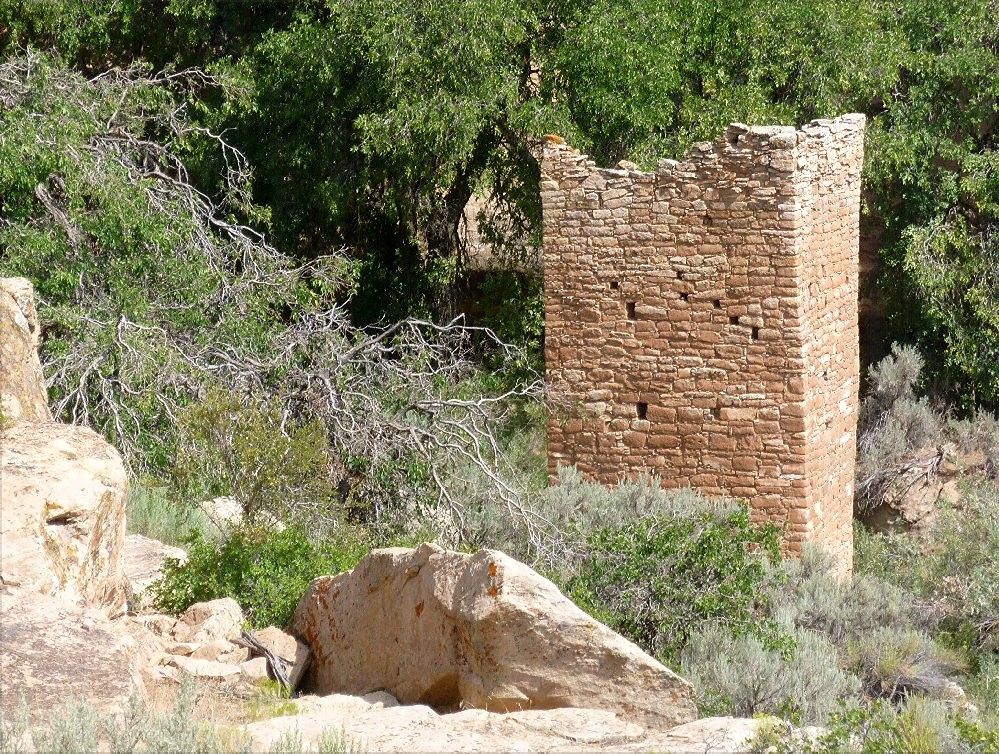
Square Tower, after which this group is named, sits within Little Ruin Canyon.

Friday, August 23, 2013

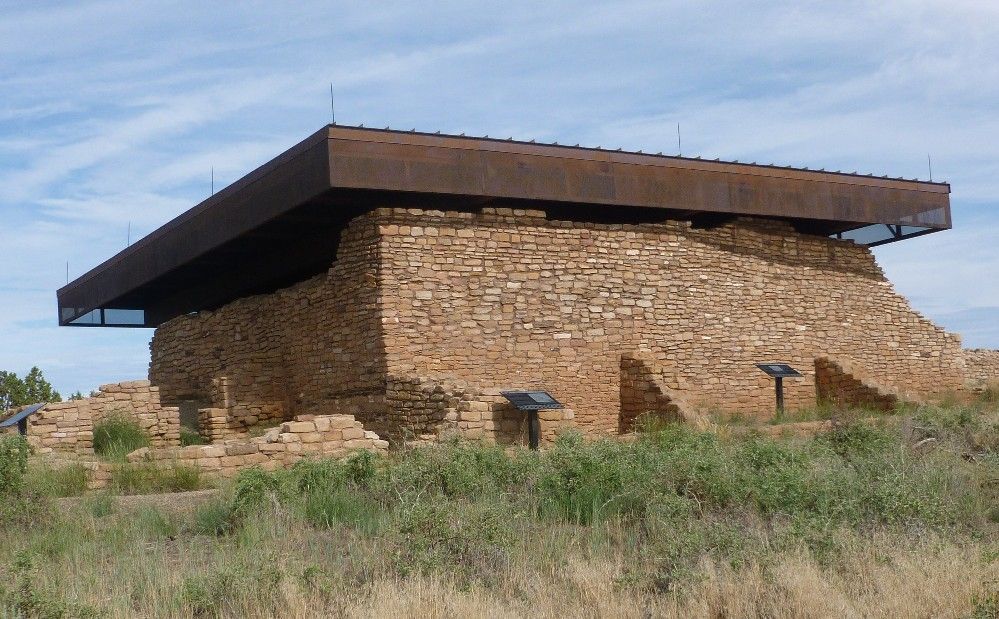
Lowry Pueblo is located in southwestern Colorado, within the Canyons Of The Ancients National Monument, and is reached by a nine mile-long side road going west from U.S. Highway 491.  Only about the first three miles are paved, so driving there takes a bit of patience.  Lowry was a Chacoan outlier, and would have been near the northwest corner of the Chaco Culture area.  The pueblo includes a multi-roomed great house and separate great kiva.

Lowry was the third and last place to which I made a return visit.  Its modern facilities were very simple, including two restrooms, a few picnic tables, a paved walkway around the great house and another walkway leading to the great kiva.  The was no place to pay an admission fee, and no one to pay it to.  I had the site all to myself.

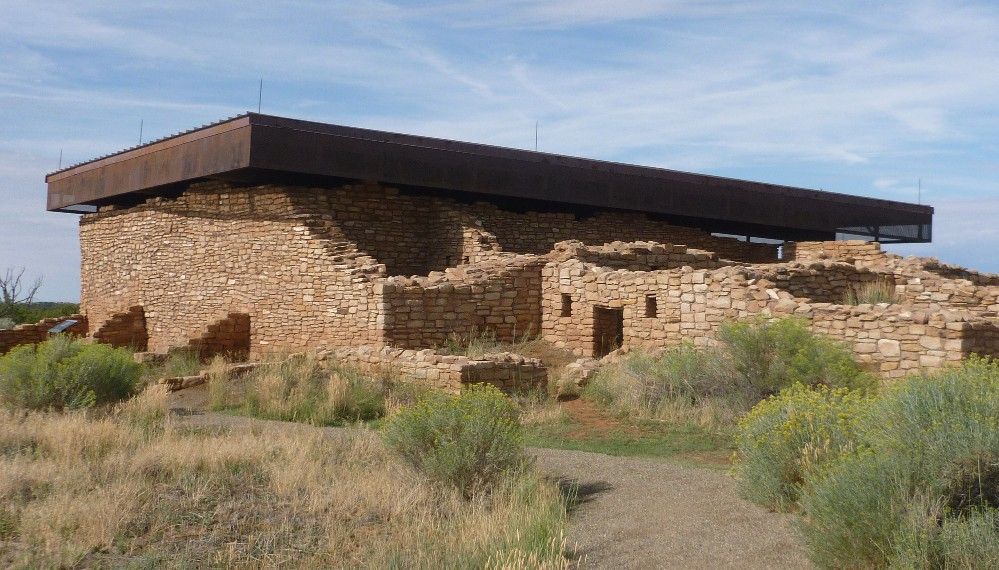
Here's a view of the Lowry great house from a point along the walkway.  Part of the great house has been given a protective cover.

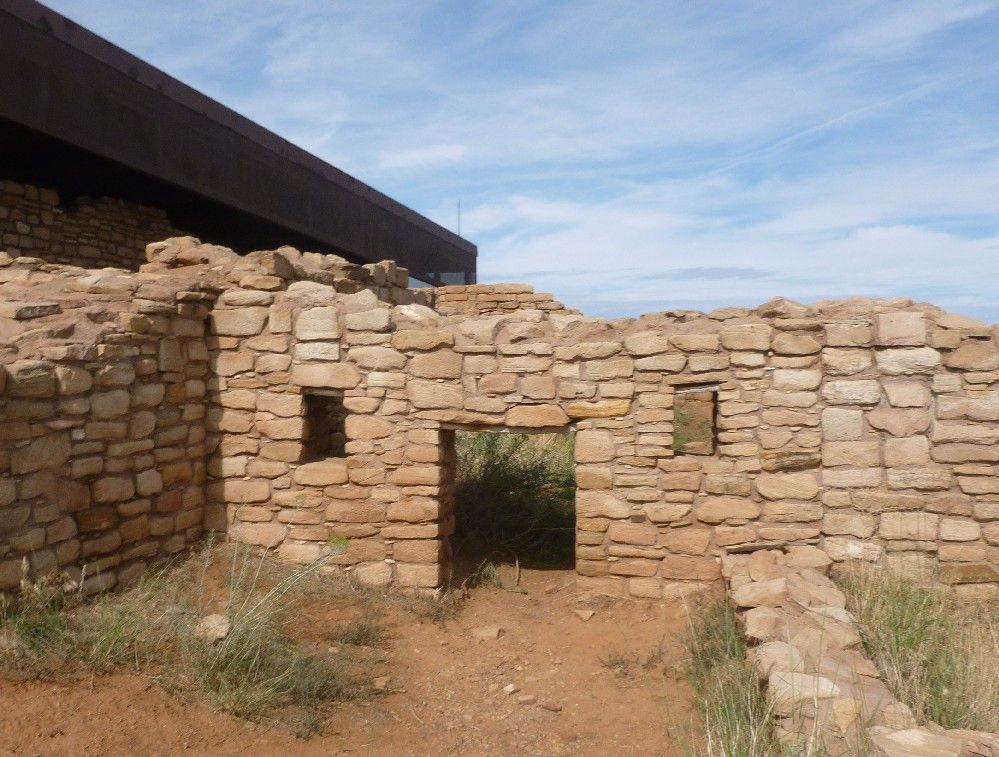
Here's the covered section from a different viewing point.  Part of the covered section is accessible.  Note the T-shaped opening at the left.

I had to crouch down to get through this door.  The original floor was probably several feet lower than it is now.  Note the smaller openings at either side of the door.

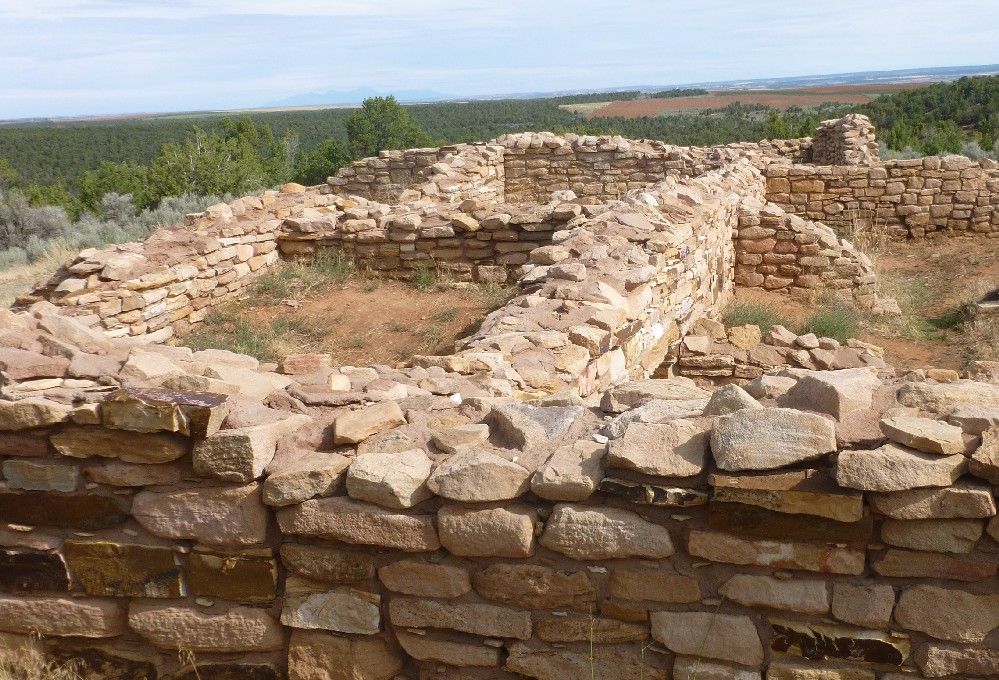
Once past the door, I could see the uncovered section of the great house.

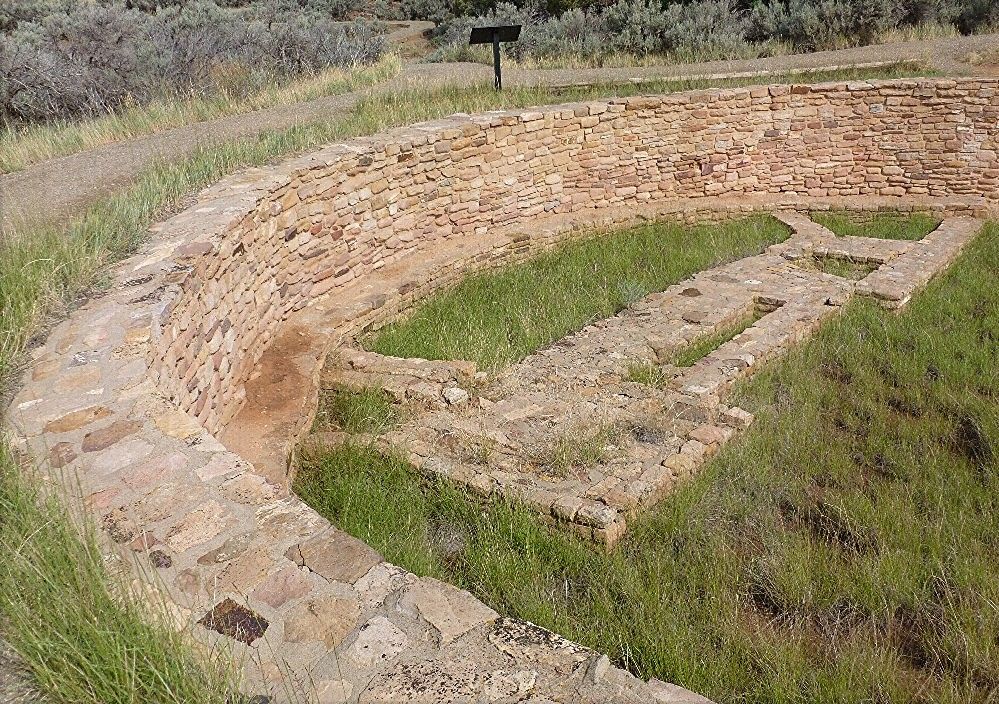
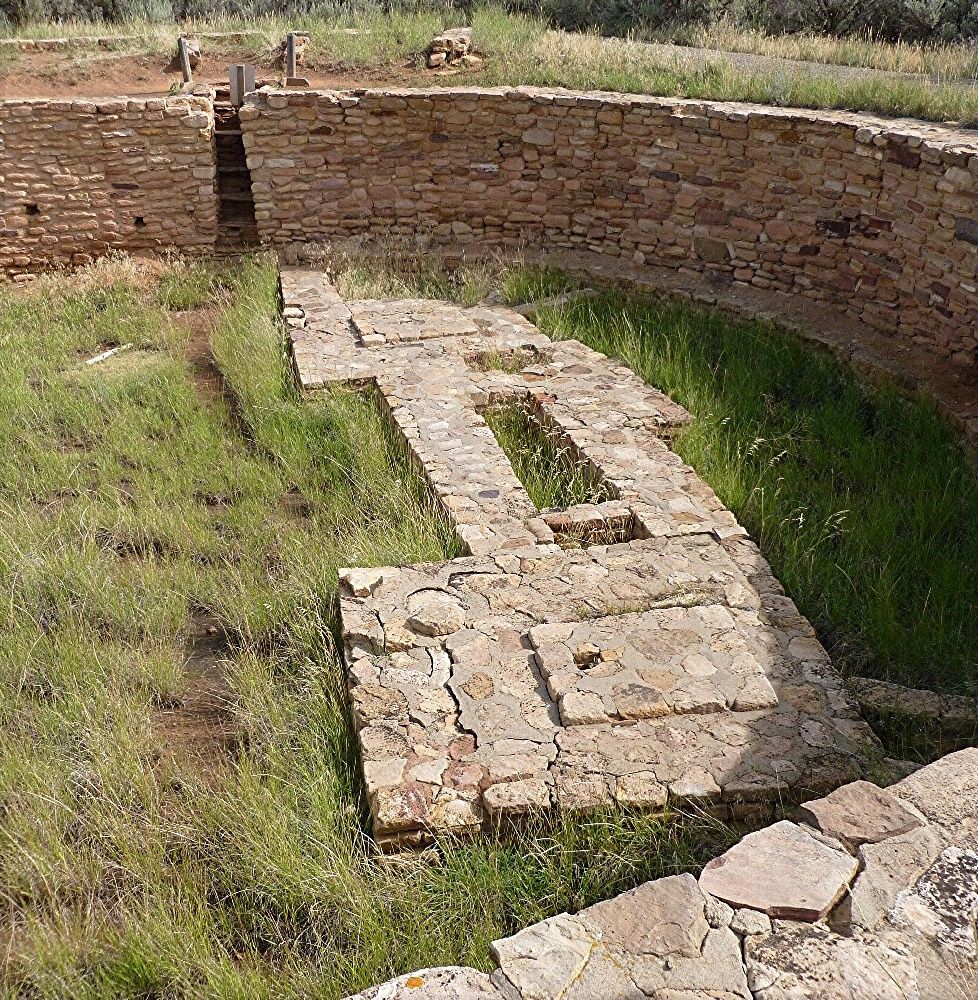
The great kiva was too large to conveniently fit into a single photo, especially if I wanted to show the structures on its floor.  This next picture shows the part that is closer to the great house.

The last picture shows a section of the kiva that is opposite the great house.

Army Major Nidal Hassan, the former psychiatrist who went on a shooting spree at Fort Hood, has been convicted of all counts against him.  A jury of 13 military officers found him guilty of 13 counts of premeditated murder and 32 counts of attempted premeditated murder.  He is now eligible for the death penalty.  During his trial, he alleged that he was protecting Muslim fighters abroad, but called no witnesses and acted as his own attorney.  Because he was shot in the back by an officer responding to his actions, Hasan is paralyzed from the waste down and confined to a wheelchair.  The trial now moves into the sentencing phase, to determine whether he will be sentenced to life in prison or receive the death penalty.

Read more at CBS News, USA Today, the Washington Times, Fox4KC and BBC News.
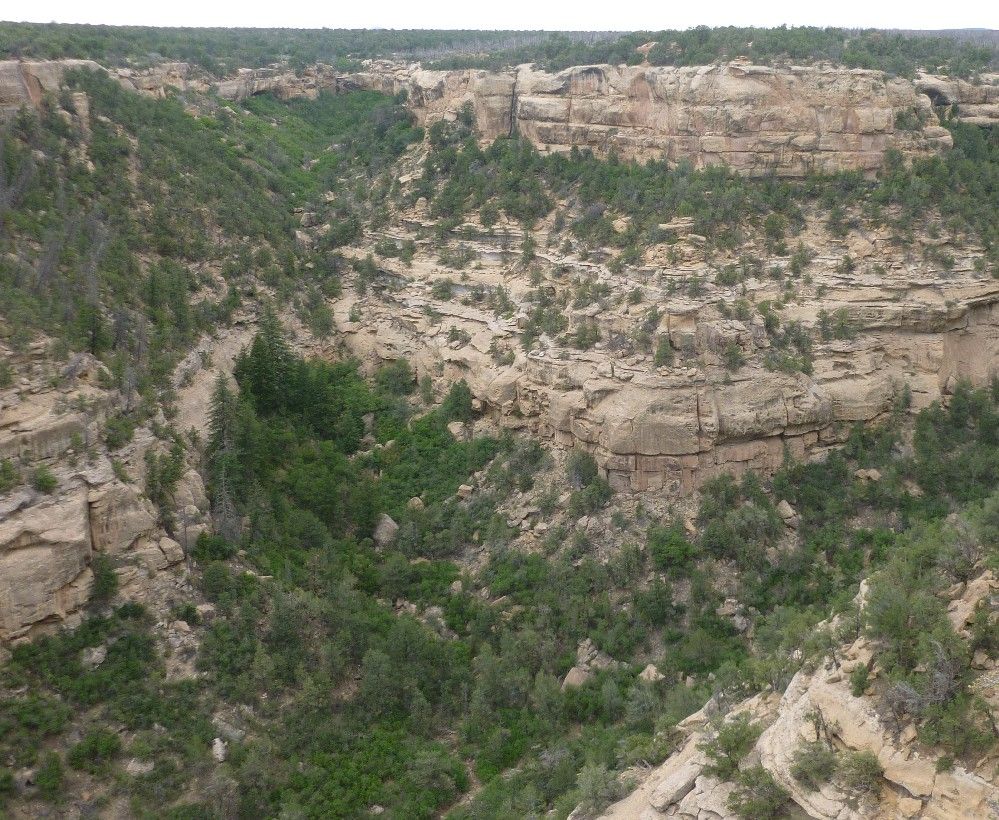
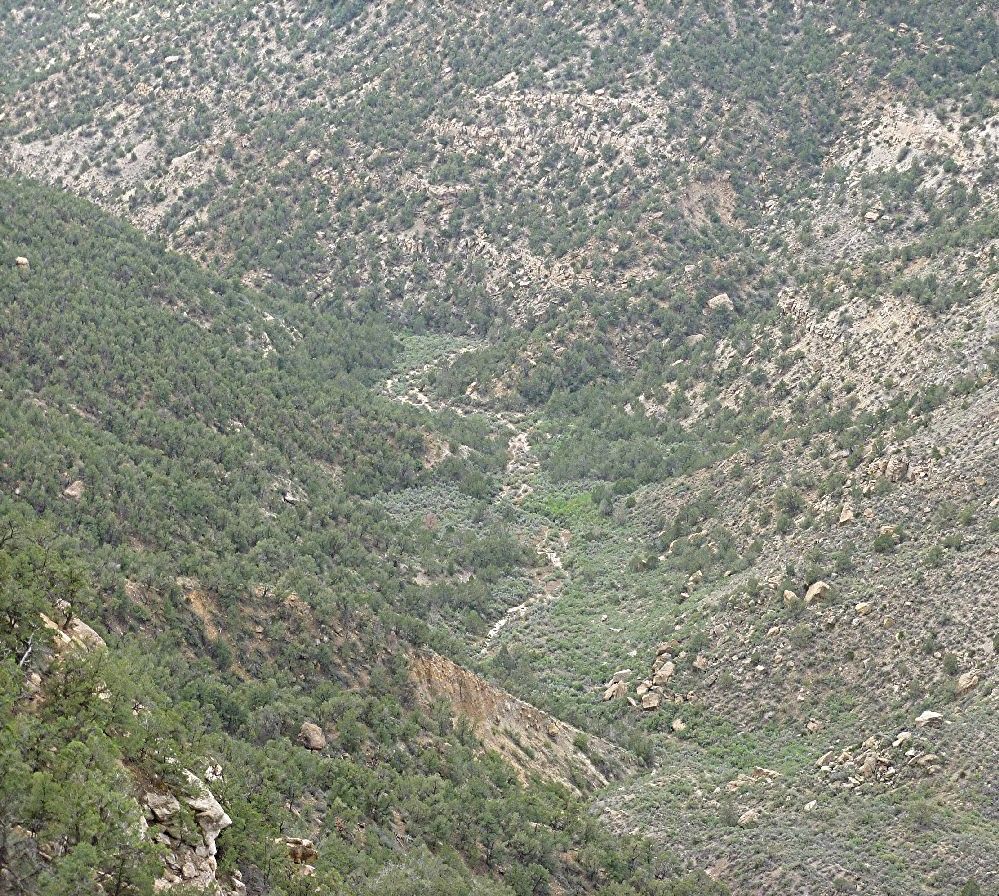
After leaving Cliff Palace, as told in Part 2, I went off to see other sights within Mesa Verde National Park.  South of Cliff Palace, which is on the east side of Cliff Canyon, is an overlook from which another part of the canyon may be seen.

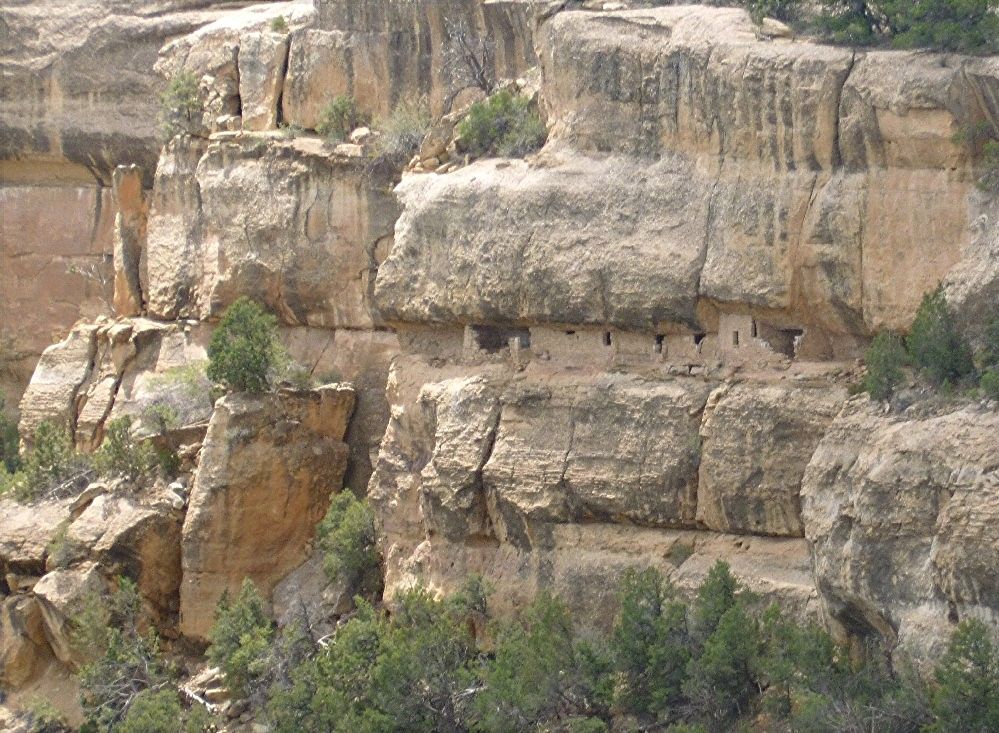
The House Of Many Windows overlooks the west side of Cliff Canyon.  I was able to get a pretty decent shot from the east side.  This site is located between two rock overhangs, and reminds me of some of the cliff houses in Walnut Canyon National Park in Arizona.

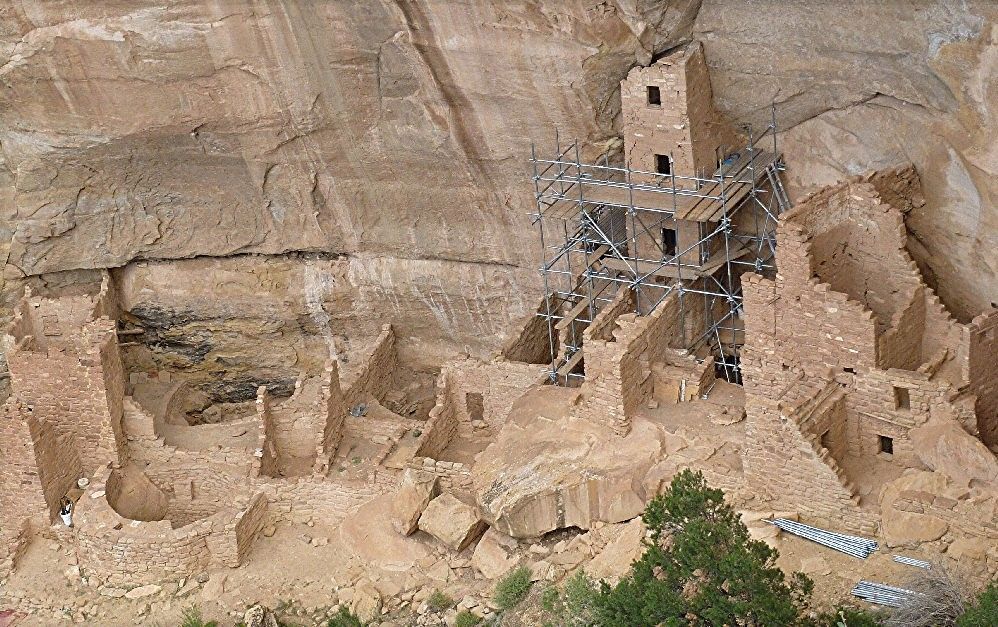
In another alcove on the east side of Cliff Canyon is Square Tower House, which appears to be undergoing some preservation work.

Near Square Tower House is another section of Cliff Canyon.

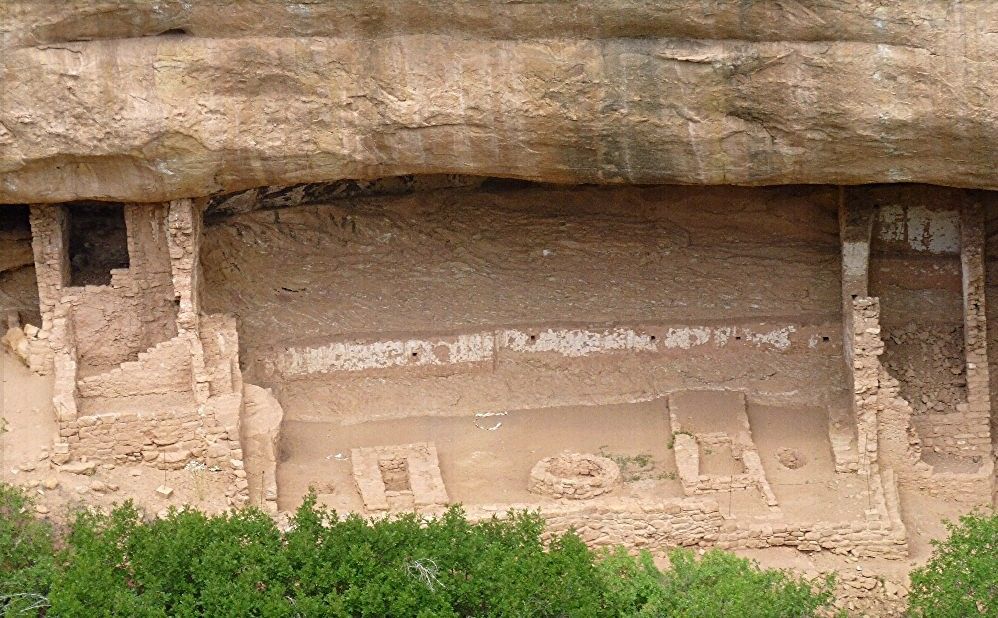
On the west side of Fewkes Canyon, which branches off from Cliff Canyon, is Fire Temple.  This is one section of it, including some walls that reach to the alcove roof.

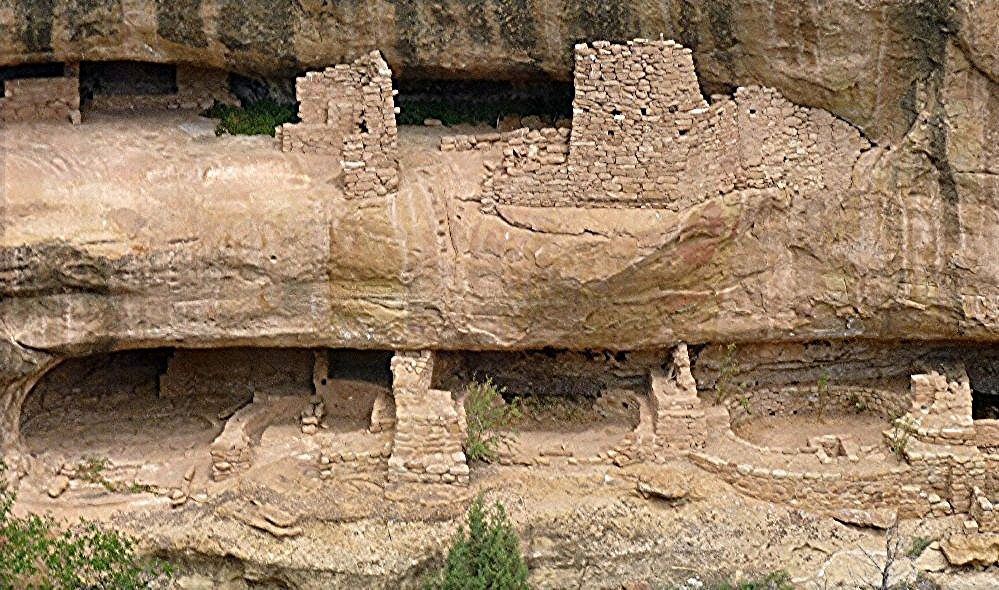
Another section of Fire Temple includes two levels of dwellings in two alcoves spaced vertically from each other.

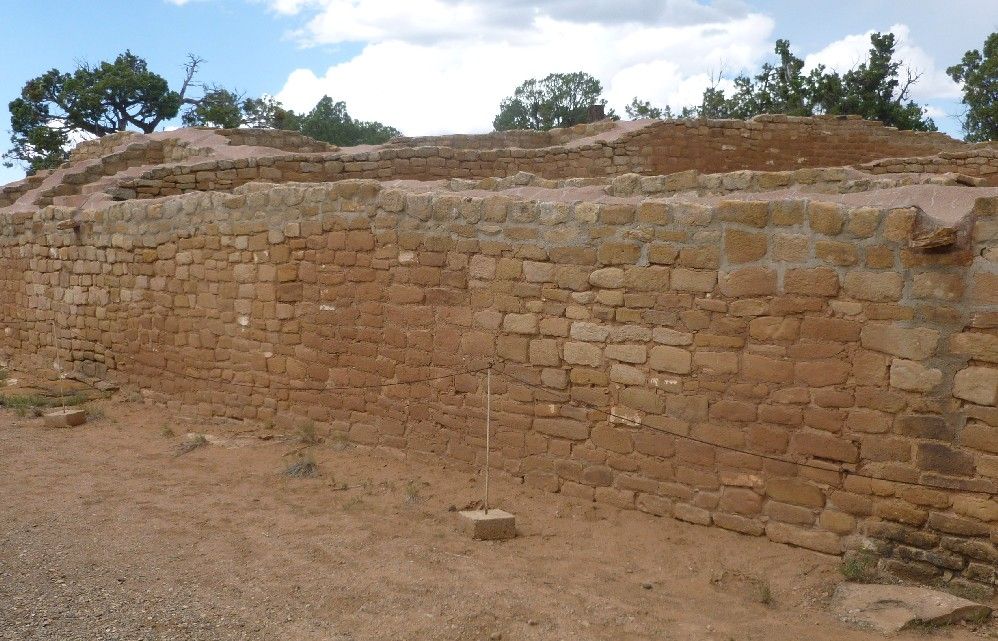
Sun Temple is above the west side of Cliff Canyon, on the adjacent mesa.  It is believed to have been one of the more recently built sites in the park, and is thought to be unfinished because no roofing materials have been found in or near it.  This view shows one side of Sun Temple,

Wednesday, August 21, 2013

As I mentioned in Part 1, the most famous site in Mesa Verde National Park is arguably Cliff Palace, situated in an alcove above Cliff Canyon.  Cliff Palace can only be visited by a guided tour, for which there is a charge separate from that for entering the park.  Fortunately, the tours start every half hour, and only cost three dollars.  The tour involves quite a bit of walking, stair climbing, and even ladder climbing.  Entering the alcove requires walking down a flight of a dozen or so regularly spaced metal stairs, followed by rock steps having irregular vertical distances between one and the next.  Thankfully, metal railings run along most of the rock stairway, providing a useful handhold.  The stairway gives way to a relatively level paved path, but entering the pueblo itself requires ascending a wooden ladder, made in the same style as those of the old inhabitants, but thankfully of much newer wood.  The walkways within the site are easy, involving only an occasional set of rock steps.

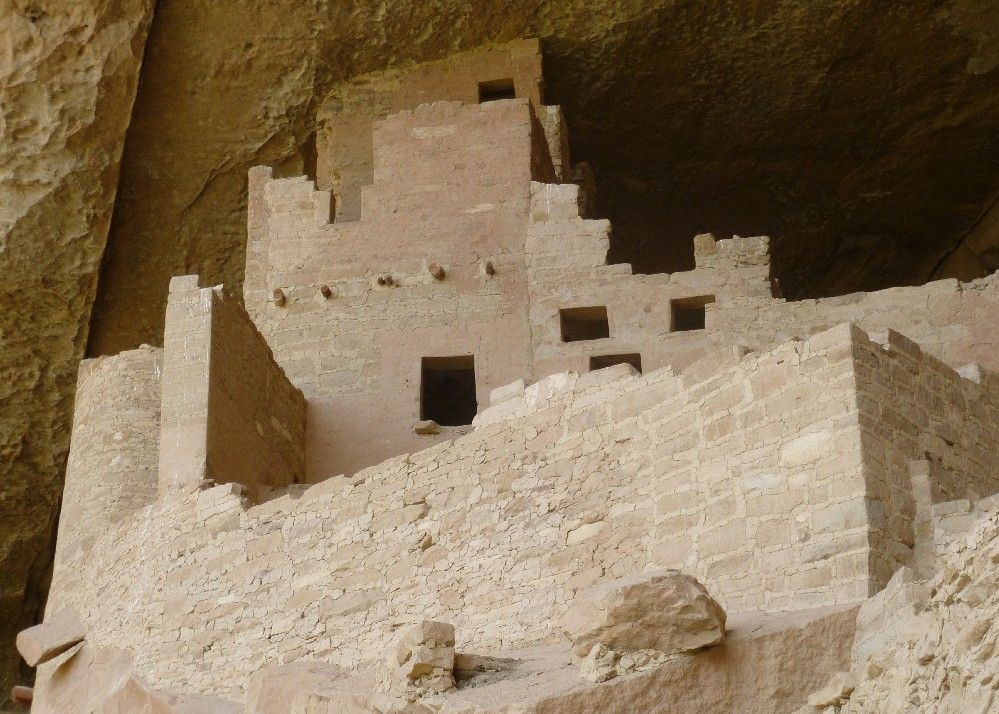
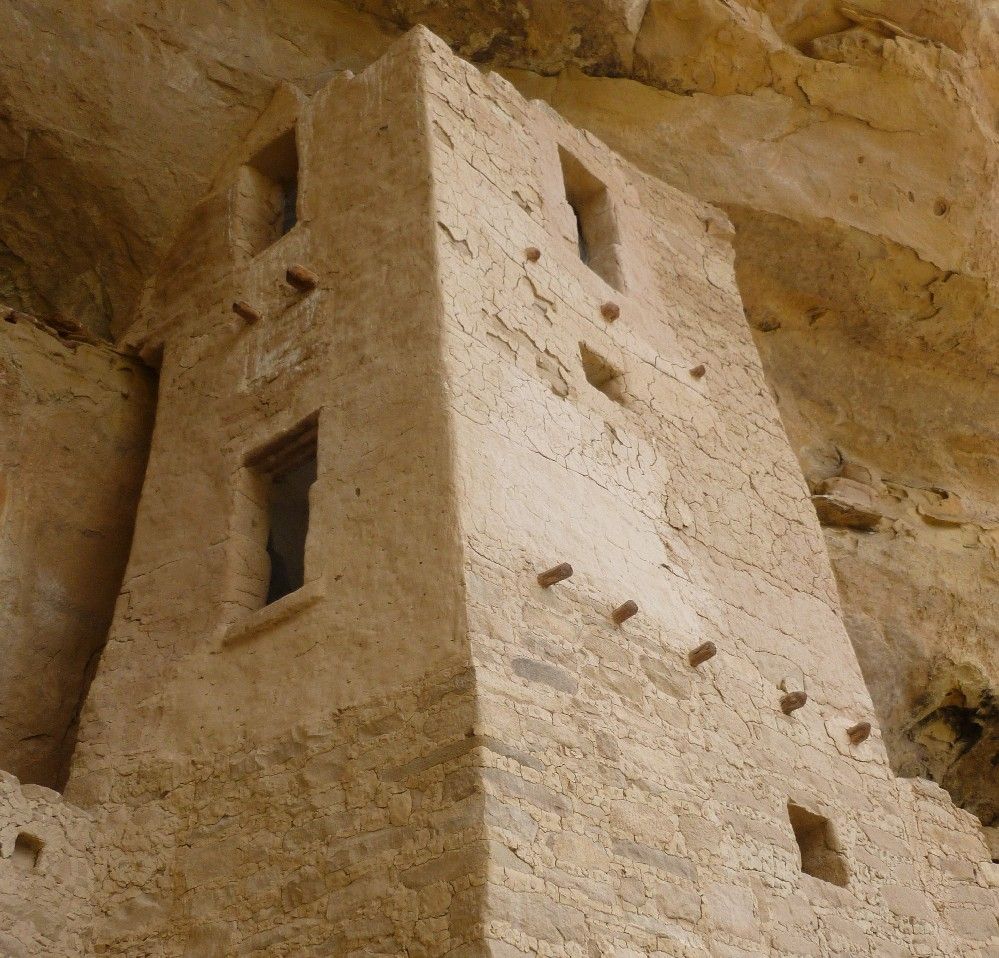
Here is one of the multistory buildings in Cliff Palace.  The wooden beams, whose ends protrude from the walls, divide one level from the next.

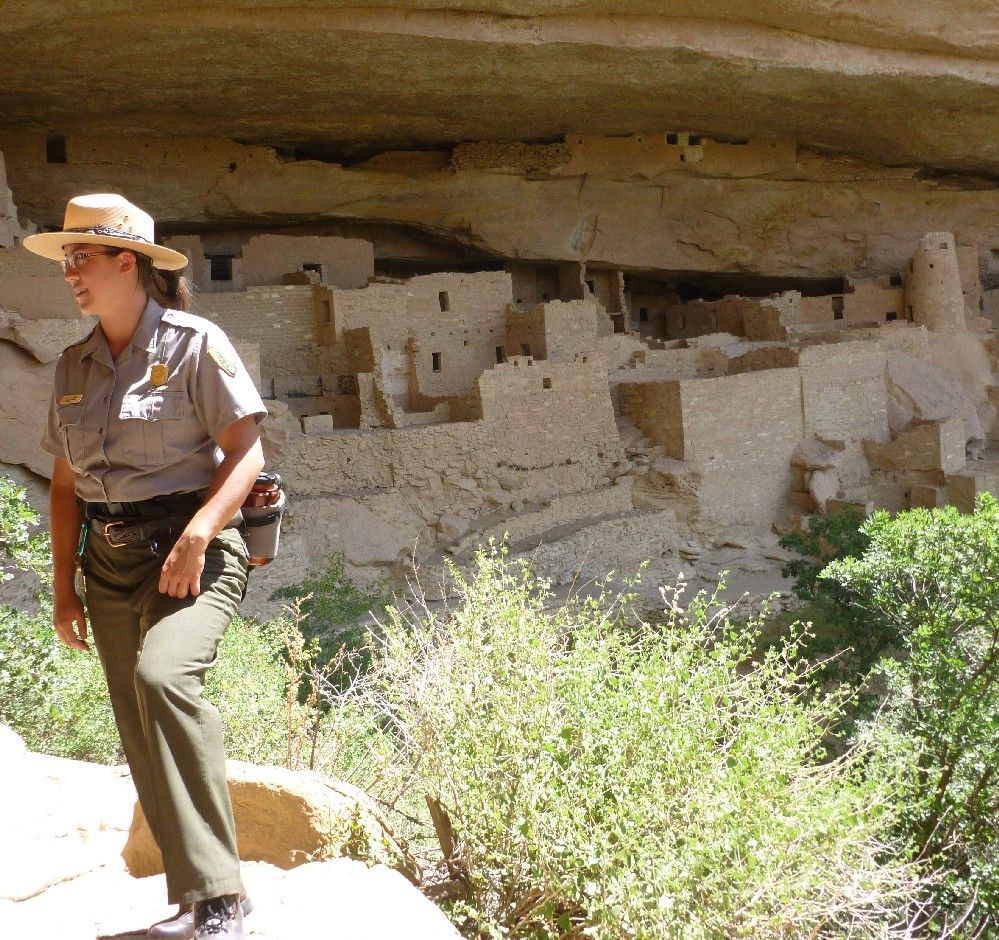
This shot shows a partial panorama of the site, with our tour guide in the foreground.

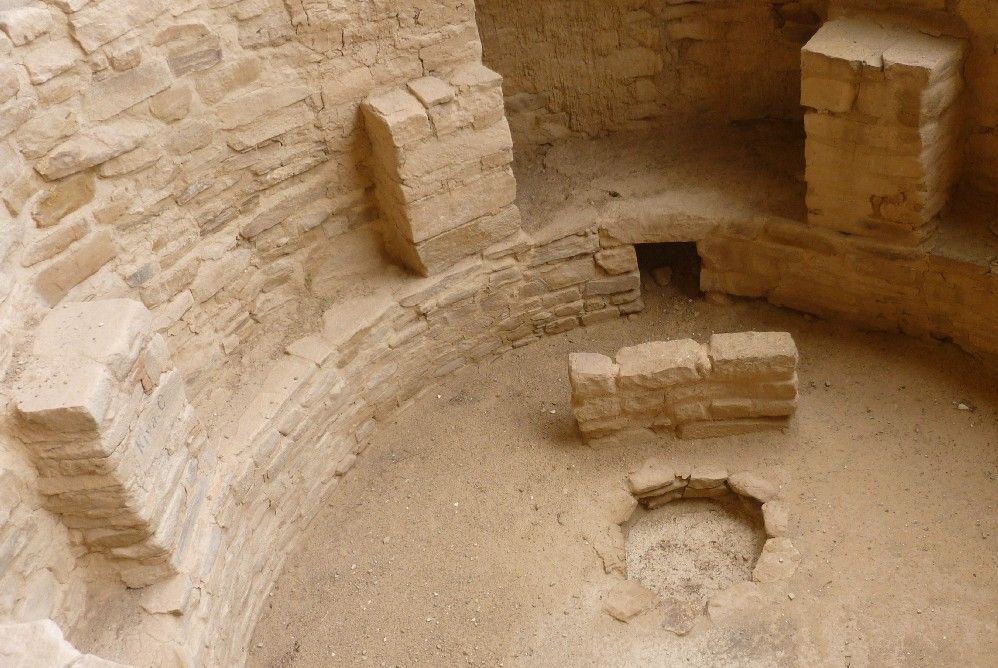
This kiva, like one I saw at Chimney Rock, includes a central circle where a fire was kept, an air ventilation hole, a stone baffle to keep the incoming air from blowing directly on the fire, and several stone structures along the wall, which supported the wooden posts that held up the roof.

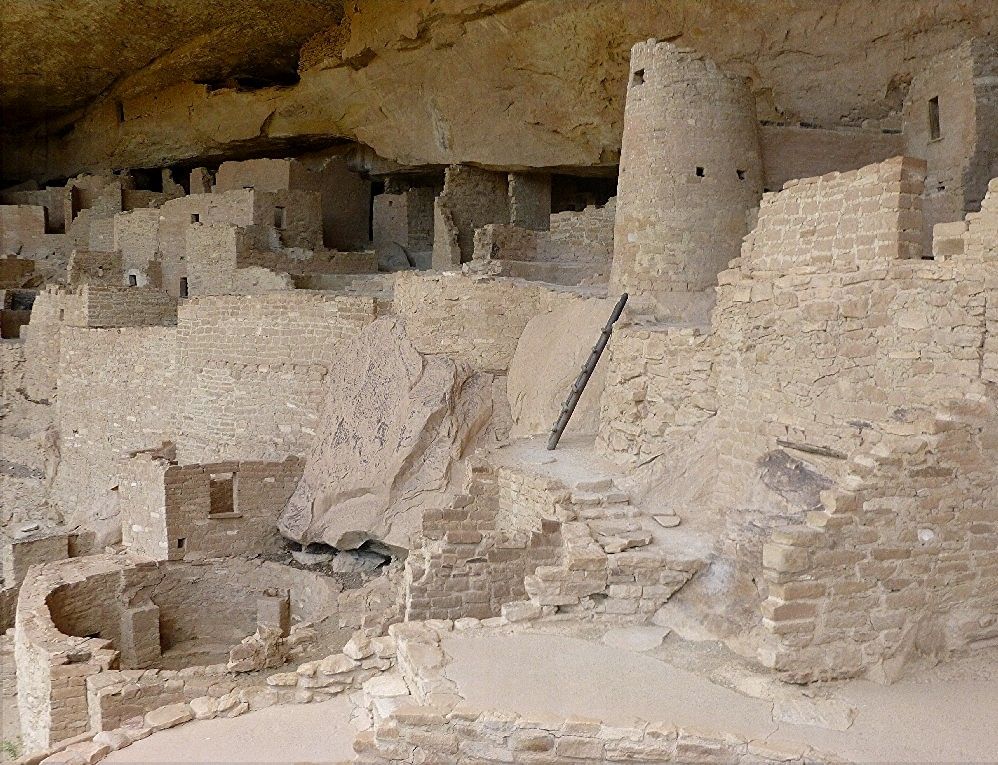
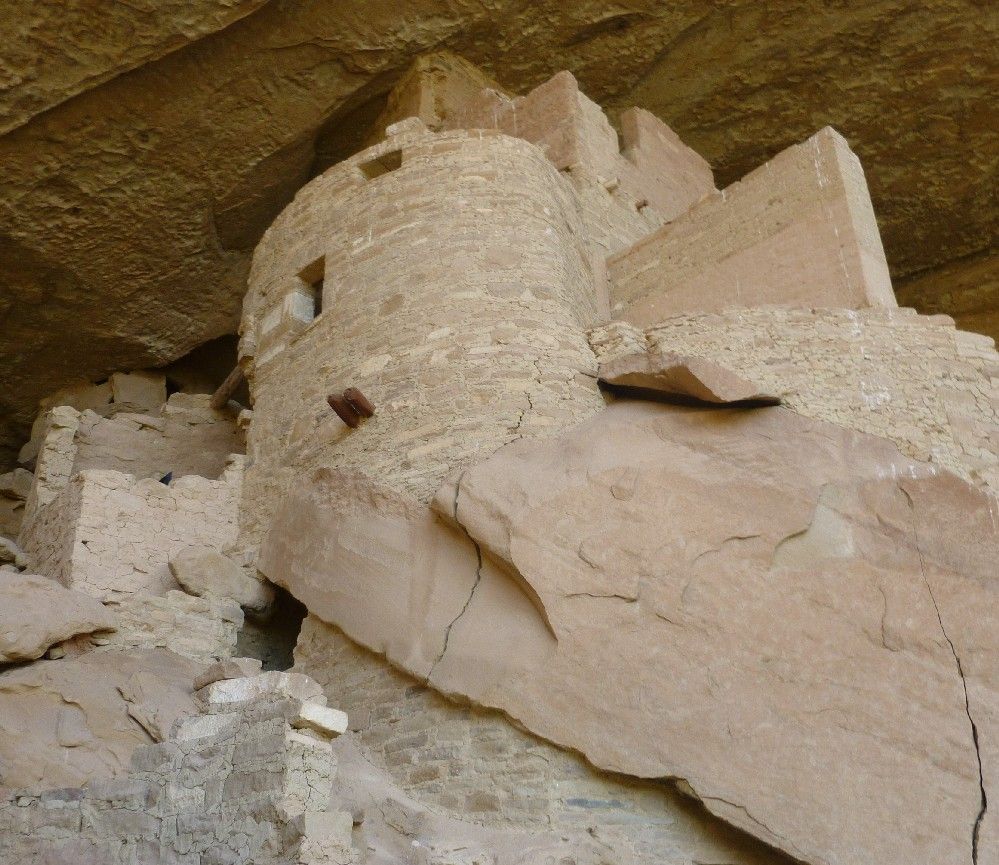
Another partial panoramic shot shows another kiva and a round tower, among other buildings.  Some of the walls extend up to the roof of the alcove.

This is another multistory building, which appears to incorporate a large chunk of rock right where it stood.

This trapezoidal multistory building is located above the kiva shown above.

To finish the tour and leave Cliff Palace, we had to climb up a combination of rock steps and four more wooden ladders, ranging from 8 to 10 feet in height.  The total vertical distance between the walkway within the site and the parking lot above is about 100 feet.

After Cliff Palace, I found some other places in Mesa Verde that seemed worthy of a brief visit.  Those will be shown in Part 3.
Mesa Verde in southwestern Colorado is one of the few National Parks whose main attractions are man-made.  The park features numerous structures built by the Ancestral Pueblo people, also known as the Anasazi, specifically the cultural branch or "province" known as the Northern San Juan or Mesa Verde.  The name "Mesa Verde" means "green table" in Spanish, and also refers to the land itself, which comprises steep canyons and relatively flat mesas above and between them.  The canyon walls include overhangs, the spaces beneath them forming alcoves, in which many of the pueblos within the park were built.  The park's arguably most famous settlement is Cliff Palace, built in an alcove above Cliff Canyon.  There are also pueblos on the mesas, most of which are thought to have been built earlier than those in the canyon alcoves.

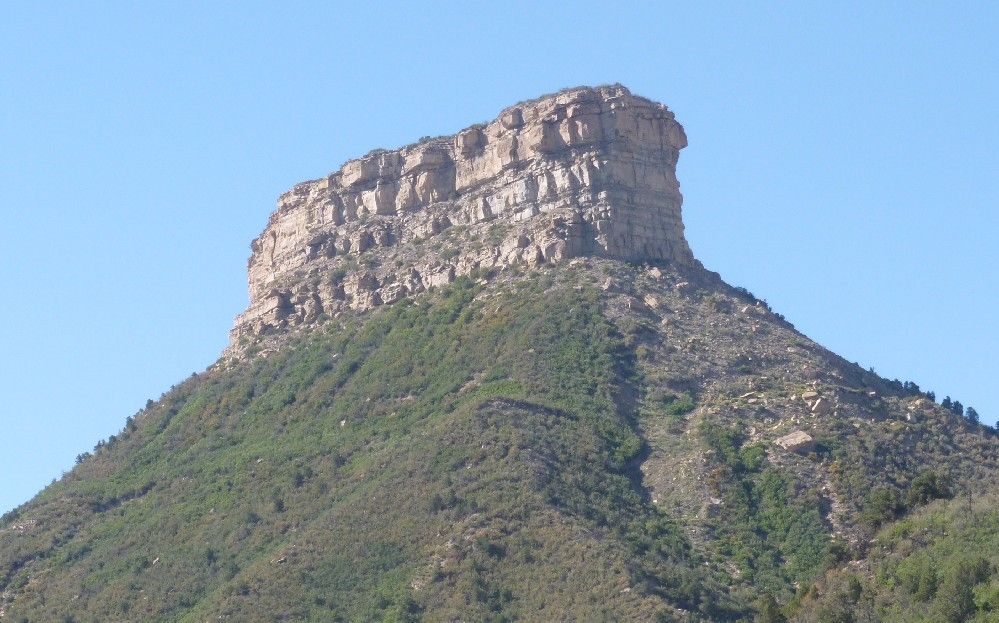
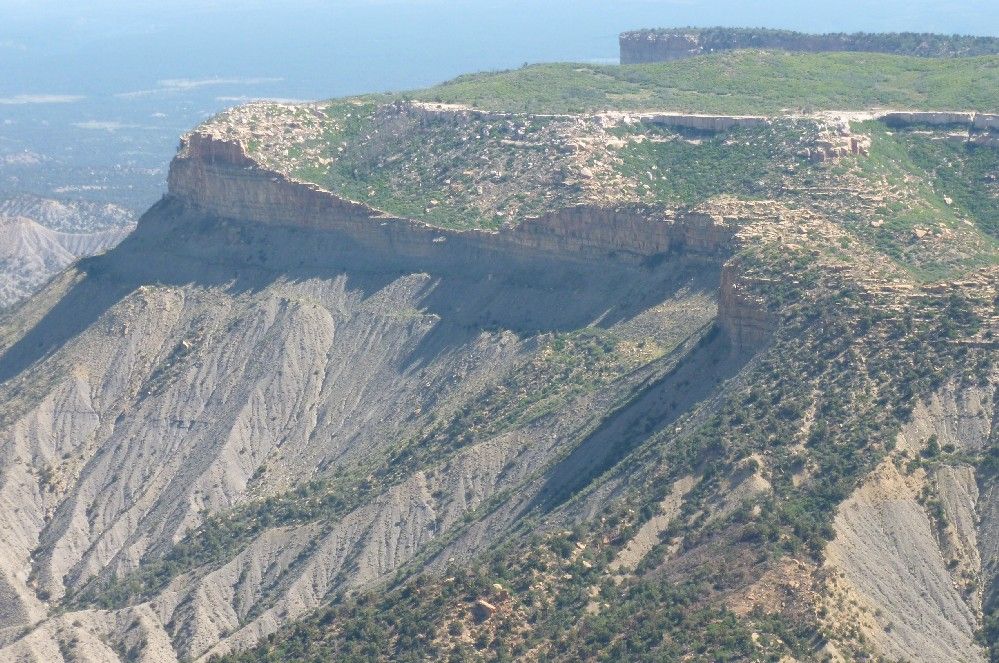
When you drive into the park, the first prominent feature you see is this butte:

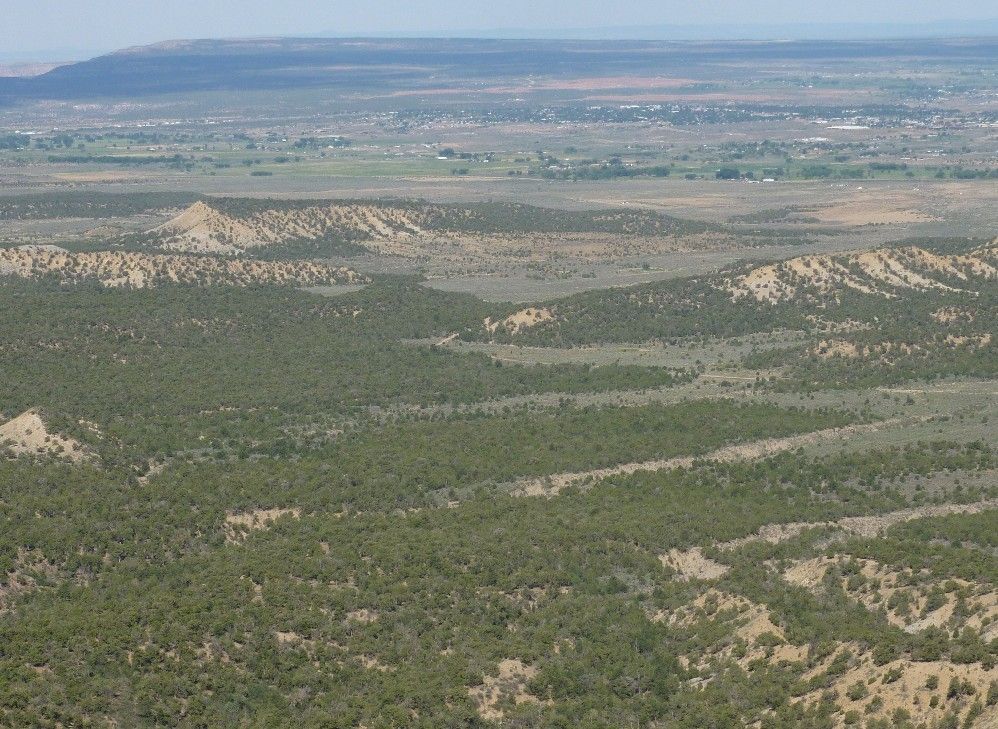
The Montezuma Valley toward the northwest can be seen from an overlook along the road.

The rock formation casting the shadow in the next picture is called the Knife Edge.

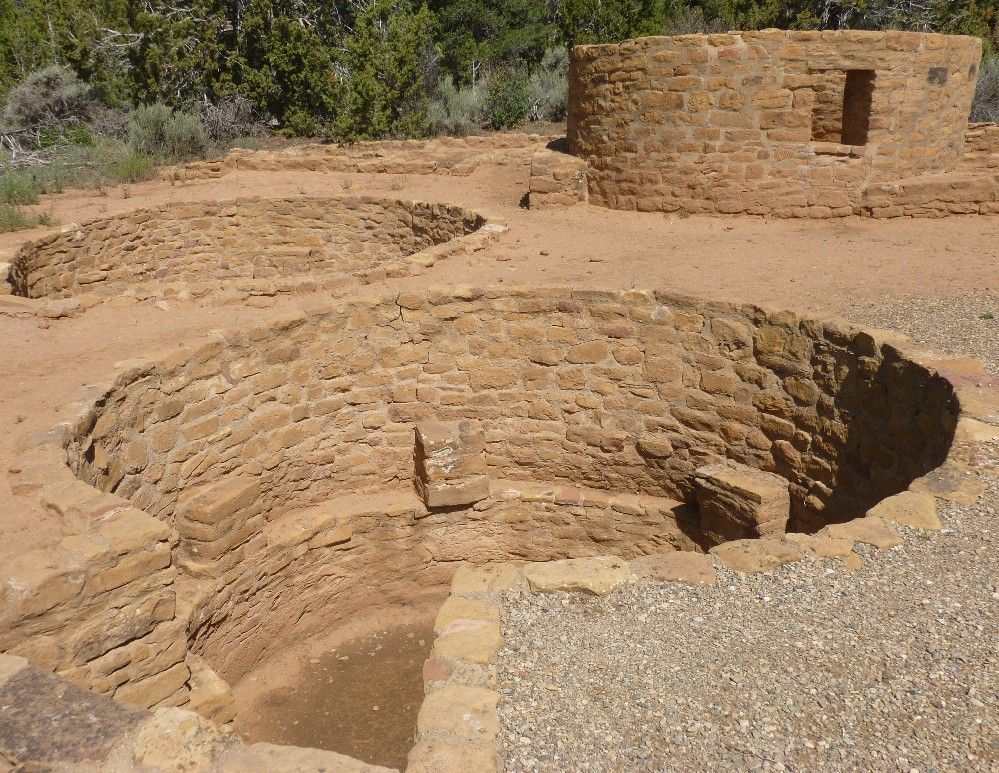
Along the road leading southward toward the Cliff Palace is a group of pueblos called Far View.  One of these is called Far View Tower House, because it includes a round above-ground building.  Next to it are two kivas, which include an outer notch called a "keyhole".  This style is fairly common for kivas in Mesa Verdean sites, but has also been found in a few Chacoan sites, indicating either some degree of cultural influence or perhaps Mesa Verdean occupation of sites previously vacated by Chacoans.

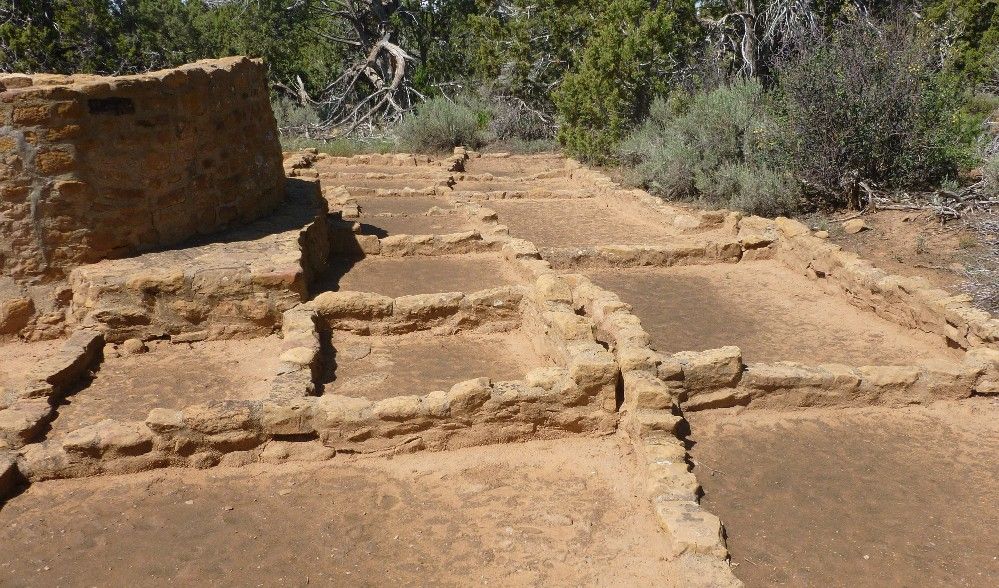
On the side of the round building away from the kivas are these rectangular rooms:

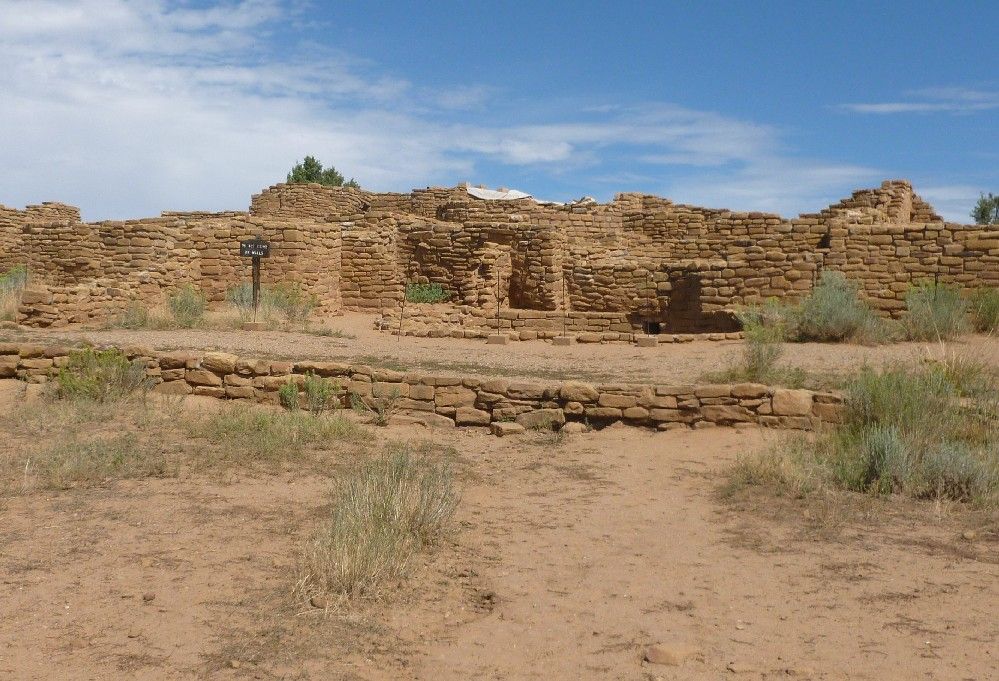
Far View House is the largest of the Far View sites.

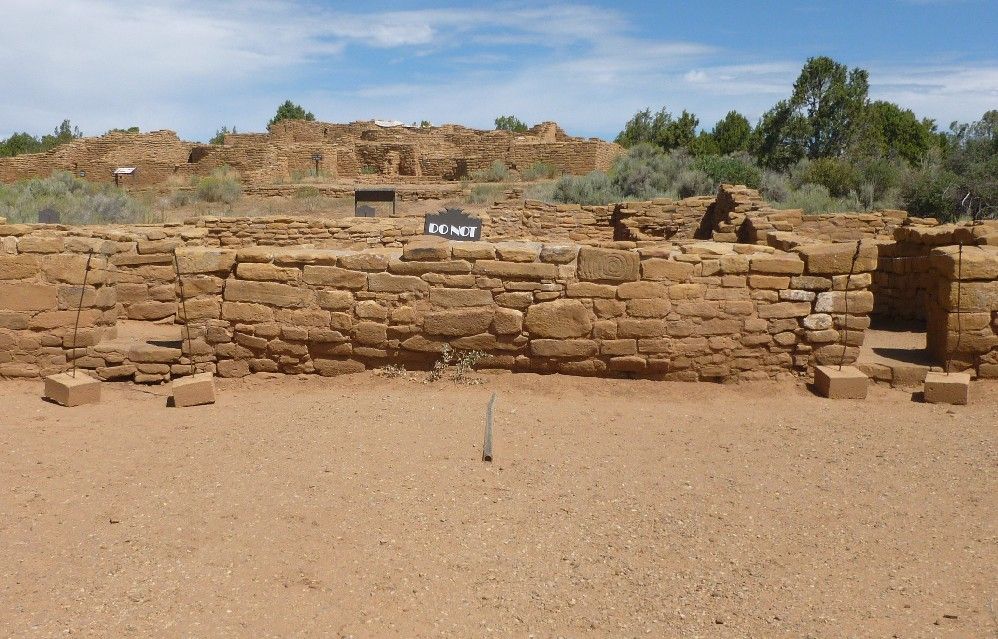
Next to Far View House is Pipe Shrine House.  In this shot, Pipe Shrine House is in front of and slightly below Far View House.  I think that the next word on the modern sign, after "DO NOT", is "ENTER".


Big Foots Place BlogThe owner of this website is a participant in the Amazon Services LLC Associates Program, an affiliate advertising program designed to provide a means for sites to earn advertising fees by advertising and linking to Amazon properties including, but not limited to, amazon.com, endless.com, myhabit.com, smallparts.com, or amazonwireless.com.